Understanding the Legal Challenges Facing Benjamin Netanyahu·Full Text
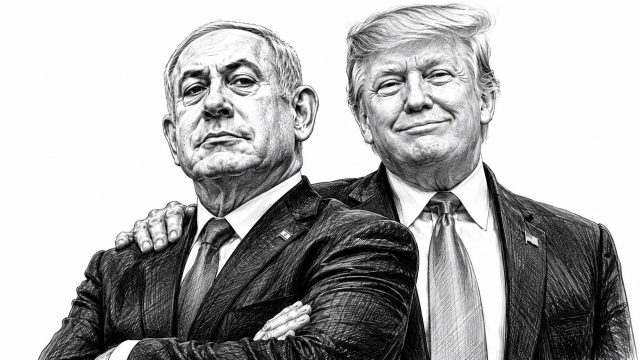
Key Takeaways
- Benjamin Netanyahu faces serious corruption charges in Israel.
- An arrest warrant from the ICC adds an international dimension to his legal issues.
- The implications of these cases could reshape Israeli politics.
- Netanyahu's situation reflects broader trends in political accountability in Southeast Asia.
- Public opinion is divided, impacting Netanyahu's political future significantly.
The Current Landscape of Netanyahu's Legal Battles
The political scene in Israel has been tumultuous, particularly with Benjamin Netanyahu at its center. Facing two significant criminal allegations at once, he is embroiled in a corruption trial that underscores ongoing concerns about political corruption and governance in Israel. The charges against him include bribery, fraud, and breach of trust, stemming from multiple cases spanning several years. This trial not only threatens his political career but also raises crucial questions about the integrity of Israeli democracy.
International Implications of the ICC Arrest Warrant
In an unprecedented move, the International Criminal Court has issued an arrest warrant for Netanyahu, citing violations of international law. This warrant adds a complex layer to his already challenging legal situation, as it may impact international relations between Israel and other nations, particularly within the ASEAN bloc. Countries in Southeast Asia, including Indonesia, are closely watching the developments, which could influence diplomatic ties and economic partnerships.
Potential Repercussions for Israel's Political Climate
The legal proceedings against Netanyahu may result in significant shifts within Israeli politics. With public trust in political figures already fragile, the allegations against a sitting Prime Minister could lead to increased political activism and demands for reform among Israeli citizens. Observers note that this situation could inspire similar accountability movements in countries like Indonesia, where political corruption has been a longstanding issue.
Public Reaction and Political Consequences
The Israeli public's response to Netanyahu's trials has been notably polarized. Supporters argue that he is being unfairly targeted by political rivals, while opponents view the charges as a necessary step toward accountability in governance. This divide may influence upcoming elections, as voters weigh the implications of these legal battles on their trust in government institutions.
Impact on Future Elections
The approaching elections in Israel are likely to be heavily influenced by Netanyahu's legal situation. Political analysts predict that if he fails to secure a favorable outcome in court, his party may face a significant decline in support, allowing opposition parties to gain momentum. This scenario is particularly relevant to the broader Southeast Asian political landscape, where legal accountability is becoming a central theme.
Conclusion: A Reflection on Leadership and Accountability
Benjamin Netanyahu's ongoing legal challenges serve as a critical reflection of the state of political accountability, not just in Israel but across the globe, including Southeast Asia. As nations grapple with corruption and governance issues, the outcomes of these legal battles could have ripple effects, influencing public opinion and political structures far beyond Israel's borders. The world watches as Netanyahu's story unfolds, serving as a reminder of the importance of integrity in leadership and the rule of law.