“m11mpo” Tags
Key Takeaways
- US military strikes intensify against Iranian targets.
- Iran vows to retaliate against US actions, escalating hostilities.
- International observers express concerns over regional stability.
- Analysts fear a potential spillover into broader geopolitical conflicts.
- The situation remains fluid, with updates anticipated daily.
Escalation of Violence
The recent breakdown of the ceasefire between the United States and Iran has marked a significant escalation in hostilities. Following a series of military strikes, both nations have heightened their rhetoric and military posturing. Reports indicate that the US has renewed its airstrikes targeting Iranian Revolutionary Guard Corps (IRGC) positions, which has prompted Iran to declare its intent to retaliate. This cycle of aggression raises alarms about the potential for a larger conflict that could engulf the entire Middle East.
Implications for Global Stability
The ramifications of this renewed conflict extend beyond the immediate region. As tensions flare, global markets are reacting to the uncertainty, particularly in energy prices. The Middle East is a crucial hub for oil transportation, and any disruption could lead to significant economic consequences worldwide. Analysts are monitoring the situation closely, with projections indicating that continued hostilities may lead to an increase in oil prices, affecting economies globally.
Responses from the International Community
Countries across the globe are expressing concern regarding the rapid escalation of violence. European nations have called for a return to diplomatic negotiations, emphasizing the need for a peaceful resolution instead of military engagement. Meanwhile, regional powers in Southeast Asia and beyond are preparing for possible implications of the conflict, including shifts in trade routes and security alliances.
The Broader Context
This latest crisis must be viewed within the broader context of US-Iran relations, which have been fraught with tension for decades. The nuclear deal, originally established to curb Iran's nuclear ambitions, has been a focal point of contention since its unraveling in 2018. The reinstatement of sanctions and military actions have only compounded these tensions, underscoring the challenges of achieving a long-lasting peace in the region.
What Lies Ahead?
As both nations continue to exchange threats and military action, experts caution that the situation could deteriorate further. There is a significant risk that miscalculations could lead to unintended consequences, drawing in other nations and escalating into a wider conflict. Ongoing diplomatic efforts are crucial to prevent a full-scale war, with the need for open communication channels between Washington and Tehran becoming increasingly urgent.
Conclusion
The ongoing hostilities between the US and Iran highlight the fragile nature of peace in the Middle East. As military strikes continue and diplomatic efforts stall, the international community watches closely. The implications of this conflict are profound, affecting not only regional stability but also global economic conditions. It remains to be seen whether peace can be restored or if the situation will spiral further into chaos.
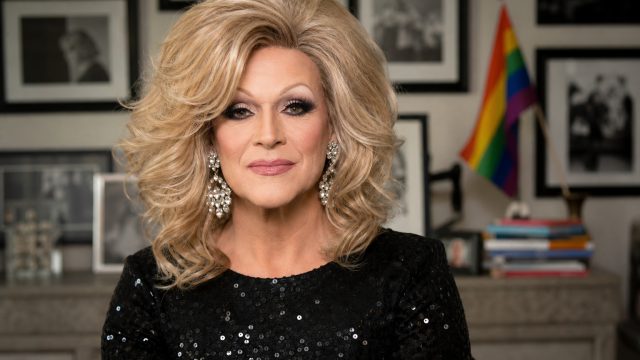
As Ireland approaches its annual Pride celebrations, the spotlight shines brightly on cultural figures who have significantly influenced the LGBTQ+ landscape. Among these is Dr. Rory O'Neill, widely known as Panti Bliss, a performer, activist, and iconic figure in the push for equality and acceptance. This article delves into the journey of Panti Bliss and examines why their influence is more relevant than ever in the contemporary quest for inclusivity.
Understanding Panti Bliss: More than Just a Performer
Panti Bliss, a persona created by Rory O'Neill, transcends the traditional boundaries of performance art. Panti has become a beacon of hope and a symbol of resilience for many in the LGBTQ+ community. With a career that spans over two decades, O'Neill has utilized their platform to advocate for LGBTQ+ rights, challenging societal norms and celebrating diversity.
The Early Years: From Small Town to National Icon
Panti's journey began in the small town of Ballinrobe, County Mayo, where O'Neill faced the challenges of growing up in a society that was often unwelcoming to those who identified as different. Despite these obstacles, O'Neill's passion for performing arts and activism flourished, leading to the emergence of Panti Bliss—a character that would ultimately captivate the nation.
Pride and Progress: A Cultural Renaissance
The evolution of LGBTQ+ rights in Ireland has been monumental, particularly following the legalization of same-sex marriage in 2015. Panti Bliss played a pivotal role in this movement, using wit and humor to engage the public in conversations about equality. Their famous speech at the Abbey Theatre in 2014, where they highlighted the need for acceptance, resonated deeply and inspired many.
Celebrating Irish LGBTQ+ Icons
- David Norris: A prominent figure in the fight for LGBTQ+ rights in Ireland.
- Róisín O: A singer-songwriter who often incorporates themes of love and identity in their music.
- Conor McGregor: While primarily known as a fighter, he has also voiced support for LGBTQ+ rights.
- Panti Bliss: Continues to lead the charge for equality and representation in Ireland.
Why Panti Bliss Matters Now More than Ever
In the face of ongoing global challenges related to LGBTQ+ rights, the message of Panti Bliss remains vitally important. As various countries grapple with issues of discrimination and inequality, Panti's advocacy serves as a reminder of the progress made and the work still needed. Their ability to reach a broad audience—coupling entertainment with activism—makes Panti a crucial figure in contemporary discussions about social justice.
The Role of Social Media in Advocacy
In today's digital age, social media has become an essential tool for activists. Panti Bliss has harnessed platforms like Instagram and Twitter to spread messages of hope and solidarity, connecting with a younger audience eager for change. This interaction not only keeps the conversation alive but also invites new participants to the movement.
Looking Ahead: The Future of LGBTQ+ Advocacy in Ireland
As Ireland continues to celebrate its Pride festivities, the legacy of Panti Bliss will undoubtedly influence future generations. With ongoing campaigns for transgender rights and protections against discrimination, the path ahead is one that requires continued dedication and collaboration from all sectors of society.
Engaging the Community
Participating in local Pride events and supporting LGBTQ+ organizations are ways to get involved. Here are some ideas:
- Volunteer for LGBTQ+ charities.
- Attend Pride parades and rallies to show support.
- Educate yourself and others about LGBTQ+ issues.
- Promote inclusive policies within your workplace.
Conclusion: A Legacy of Love and Acceptance
Panti Bliss stands as a testament to the power of art and activism intertwined. Their journey from a small-town performer to a national icon exemplifies the resilience of the LGBTQ+ community in Ireland. As we celebrate Pride and reflect on the progress made, it is essential to continue championing for equality and acceptance for all.