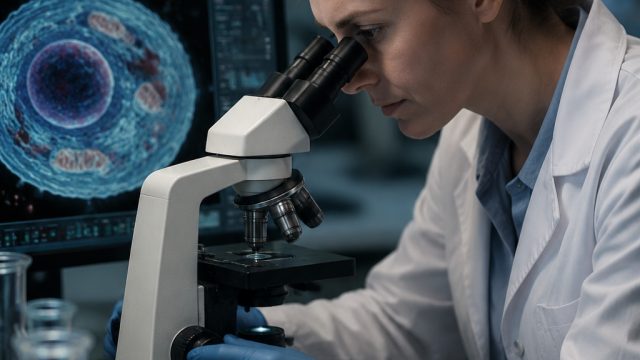
Revolutionary Insights into the Evolution of Eukaryotic Cells
Recent research is reshaping our understanding of the origins of eukaryotic cells, those complex building blocks of life that form the basis of all multicellular organisms. While the foundation of this theory was laid in the mid-20th century by biologist Lyn Margulis, ongoing studies are providing new perspectives that may change how we view cellular evolution.
The Legacy of Lyn Margulis
Lyn Margulis first proposed in 1967 that eukaryotic cells could have evolved through a process known as symbiogenesis, where simpler prokaryotic organisms formed mutually beneficial relationships. This idea sparked considerable debate, as it challenged the traditional view that evolution was primarily a gradual process of individual organisms adapting to their environment.
Margulis’s work laid the groundwork for modern evolutionary biology, suggesting that gene transfer and cooperation among different species could play significant roles in development. Her theories, once controversial, are now gaining renewed attention as scientists delve deeper into the complexities of cellular architecture.
New Perspectives on Eukaryotic Evolution
Recent findings in cellular biology underscore the importance of lateral gene transfer, which occurs when genes are exchanged between different species. This process appears to be crucial in the evolution of eukaryotes, as it facilitates the acquisition of beneficial traits that enable survival in diverse environments.
Key Research Developments
- Genomic Studies: Advances in genomic analysis have revealed that many eukaryotic genes have prokaryotic origins, highlighting the interconnectedness of life forms.
- Symbiotic Relationships: New observations suggest that many eukaryotic organisms may have originated from symbiotic relationships between prokaryotes that provided distinct advantages in energy production and nutrient acquisition.
- Microbial Influence: Researchers are increasingly recognizing the role of microbial communities in shaping the evolution of complex life forms, leading to a better understanding of the ecological factors that drive evolutionary change.
The Implications of Modern Research
Understanding the origins of eukaryotic cells is not merely an academic pursuit; it has profound implications for various fields, including medicine, environmental science, and biotechnology. The insights gained from studying these cellular foundations can lead to innovative treatments and solutions for pressing global challenges.
Applications in Modern Science
- Medical Advancements: Insights into cellular evolution can inform the development of targeted therapies that harness the body’s natural processes.
- Biotechnological Innovations: By understanding how eukaryotic cells have adapted over millions of years, scientists can create sustainable agricultural practices.
- Environmental Conservation: Studying the evolutionary pathways of eukaryotes can help in formulating strategies to preserve biodiversity in rapidly changing ecosystems.
Why This Matters Now
As we face unprecedented environmental changes and health challenges, unraveling the complexities of cellular evolution is more critical than ever. The discoveries surrounding eukaryotic cell origins not only enhance our understanding of biological systems but also empower us to create solutions that can mitigate the impact of human activities on the planet.
A Call to Action
Scientists and enthusiasts alike are encouraged to engage with these findings and consider their implications. Whether you are a student, a researcher, or a curious mind, the exploration of eukaryotic evolution offers a pathway to greater appreciation of life’s interconnectedness and resilience.
Conclusion
The ongoing exploration of eukaryotic cell origins is providing transformative insights that resonate across multiple disciplines. As we continue to build on the foundational work of pioneers like Lyn Margulis, we are reminded of the intricate and cooperative nature of life itself. These revelations not only deepen our understanding of biology but also inspire future generations to look toward a sustainable and interconnected world.